
At Khajuraho in Chhatarpur district, Madhya Pradesh — the UNESCO World Heritage site
known for its group of medieval Hindu and Jain temples — there is an ancient stone murti
of Hanuman that is among the oldest surviving sculptural representations of the deity.
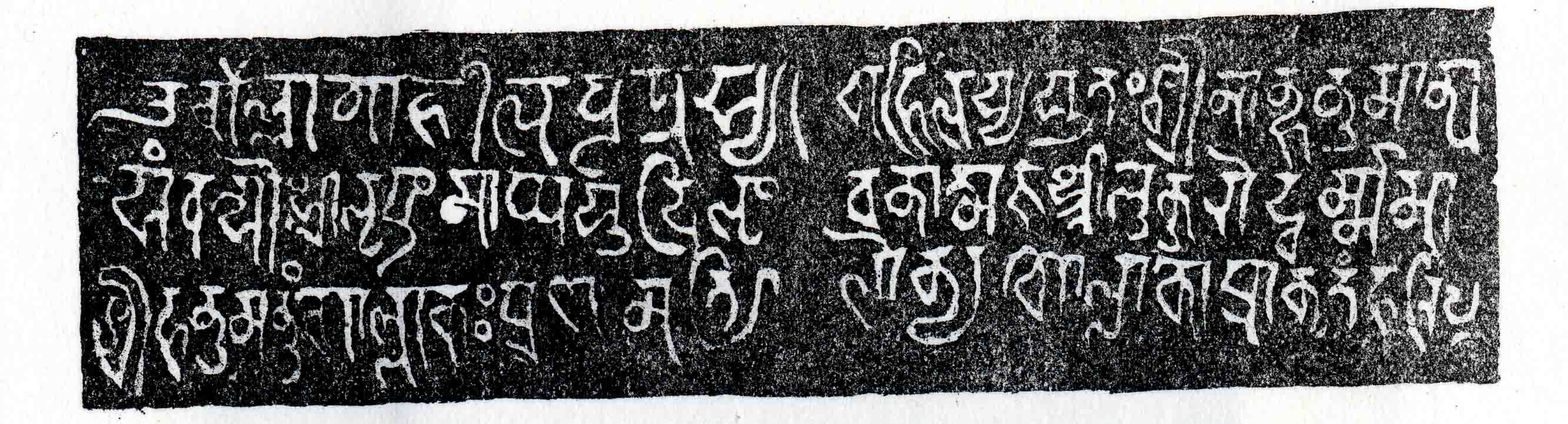
The page title refers to the “oldest known Hanuman statue.” Based on archaeological evidence, this is more precisely described as the oldest dated Hanuman image — a murti bearing an inscription dated to 922 CE (Harsha era 316), confirmed by the Archaeological Survey of India’s Jabalpur circle. The qualifier “dated” is important: there may be older undated images not yet documented. The ASI source is asijabalpur.gov.in.
The Ancient Hanuman Murti at Khajuraho
Khajuraho’s temples were built primarily under the Chandela dynasty, whose major
construction phase spanned roughly the 9th to 12th centuries CE. The site contains temples
dedicated to Shaiva, Vaishnava, and Jain traditions, and includes sculptural programmes of
exceptional quality and variety.
A large free-standing stone murti of Hanuman is part of this sculptural heritage.
(FACT-CHECK FLAG: the specific temple, shrine, or location within the Khajuraho complex
where this murti is housed or displayed — and whether it is currently in its original
setting or in a museum — should be confirmed from published archaeological or ASI
sources.)
(The murti bears an inscription dated to 922 CE, per the Archaeological Survey of India. The “oldest dated” description is therefore supported. Dimensions should still be confirmed on-site.)
Significance of the “Oldest Known” Claim
If the Khajuraho murti is confirmed as the oldest known surviving image of Hanuman, it
would mark the beginning of a sculptural tradition that spread across India over the
subsequent millennium. Early Hanuman iconography — establishing his characteristic
attributes, posture, and identifying features — is of scholarly interest precisely because
the textual traditions (Valmiki Ramayana, Mahabharata, Hanuman Chalisa) pre-date most
surviving sculpture by centuries.
The importance of this murti to the history of Hanuman devotion is therefore significant
regardless of whether the precise “oldest” label is confirmed.
(TRADITIONAL/SCRIPTURAL — early Hanuman iconography is a specialist field; the
devotional tradition surrounding the murti at Khajuraho may have its own separate
provenance from the scholarly dating question.)
Khajuraho as a Pilgrimage and Heritage Destination
Khajuraho is approximately 385 km from Bhopal and 620 km from Delhi. It has its own
domestic airport (Khajuraho Airport, IATA: HJR) with regular connections to Delhi and
Varanasi. The nearest railway station is Khajuraho, connected to Mahoba and Jhansi.
(TIME-SENSITIVE: transport routes and schedules should be verified before travel.)
The Khajuraho temples are administered by the Archaeological Survey of India (ASI).
Entry to the Western Group of temples requires a ticket; other temple groups are open
to devotees as active shrines.
(TIME-SENSITIVE: entry arrangements, fees, and timings should be confirmed with ASI
before visiting.)
Related Hanuman Temples and Forms
For an overview of significant Hanuman temples and sacred sites across India, see the
Hanuman Ji Temples page. To understand Hanuman’s
attributes and the significance of his many forms, see
About Hanuman Ji.
Devotees at Khajuraho and across Madhya Pradesh recite the
Hanuman Chalisa as the central daily prayer.
Jai Shri Ram — Jai Hanuman Ji.