
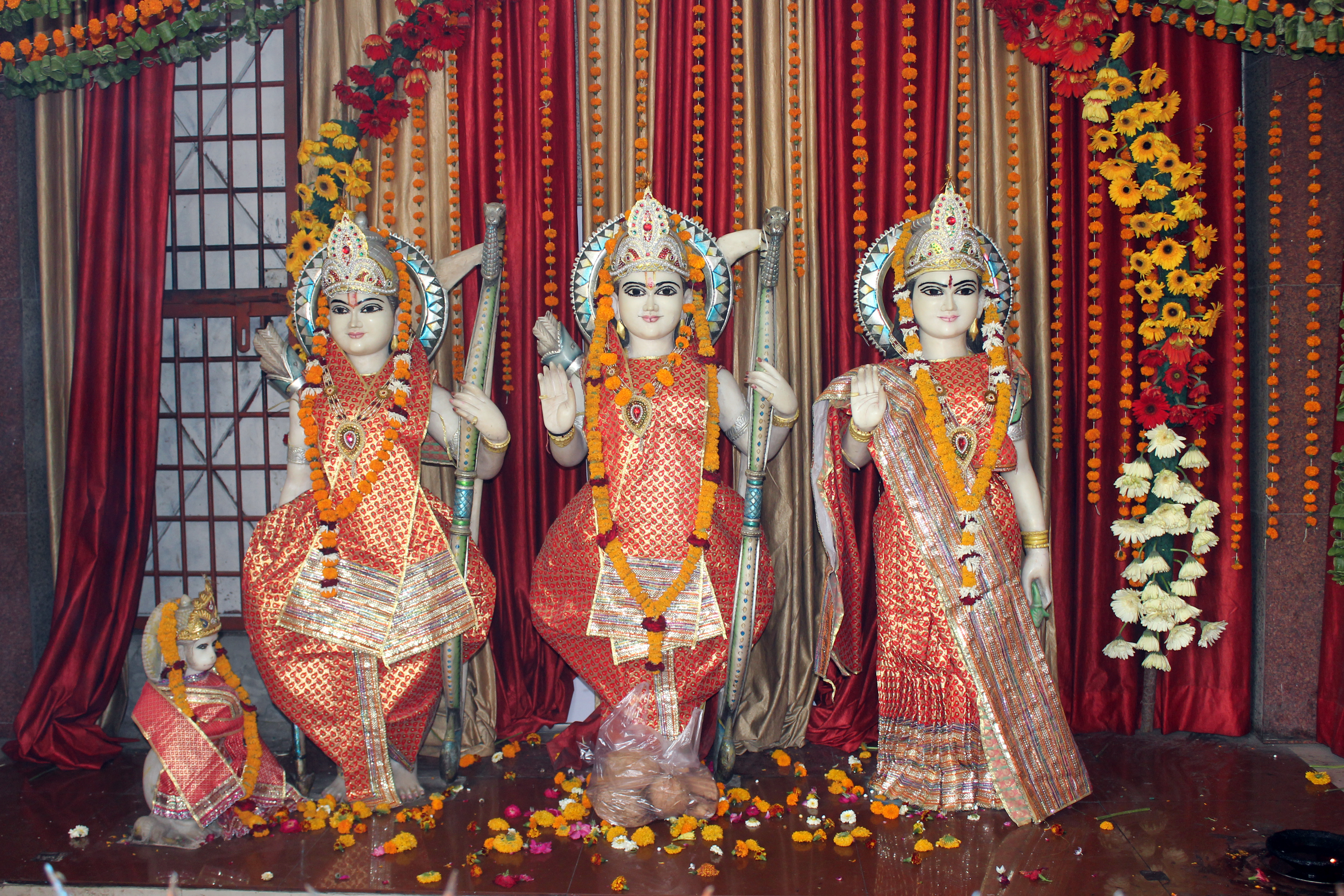
Sundar Kand (सुंदर काण्ड) is the fifth chapter of Valmiki’s Ramayana and the one chapter that belongs entirely to Hanuman. It narrates his leap across the ocean to Lanka, his search for Sita, his encounter with the demons, and his triumphant return. It is considered the most auspicious chapter to recite.
What Does Sundar Kand Mean?
Sundar means beautiful. The chapter is called beautiful because it describes the beauty of Hanuman’s devotion, courage, and service — and the beauty of Lanka itself, which Hanuman explores before destroying it. Tulsidas’s Ramcharitmanas version of Sundar Kand is the most widely read.
Six Key Events
- The Leap: Jambavan reminds Hanuman of his divine powers. Hanuman leaps 800 leagues across the ocean to Lanka in one bound.
- Entering Lanka: Hanuman shrinks to a tiny form to enter the guarded city unseen and searches for Sita.
- Finding Sita: He finds Sita in the Ashoka garden. He presents Ram’s ring as proof of his identity.
- Burning Lanka: Captured and sentenced to have his tail set ablaze, Hanuman uses the burning tail to set Lanka alight and escapes.
- Return: Hanuman leaps back across the ocean with Sita’s chudamani (jewel) as proof of his success.
- The Report: Hanuman returns to Ram and describes Sita’s condition with compassion and precision.
Benefits of Reciting Sundar Kand
- Removes all obstacles and fears
- Solves long-standing problems
- Brings peace, courage, and clarity
- One complete reading is considered equal to the merit of a full Ramayana parayana
How to Read
Recite on Tuesdays, Saturdays, or on any day you face a crisis. Bathe first. Light a diya before a Hanuman image. Read aloud if possible. Complete the full chapter in one sitting if you can. Many devotees perform a 7-day Sundar Kand Saptah (seven consecutive readings).
Opening Doha
Shantam shashwatam aprameyam anagham nirvanashantipradam
Brahmashambu phaneendra sevyamanisham vedantavedyam vibhum
Salutations to the peaceful, eternal, immeasurable, sinless one — the bestower of liberation — known through Vedanta — the all-pervading one.
Jai Bajrang Bali!
Related Pages
- Hanuman Chalisa — the most widely recited Hanuman prayer
- Mangalvar Vrat — Tuesday fast, often observed with Sundar Kand recitation
- Hanuman Puja Vidhi — home puja guide
- All Hanuman Prayers