
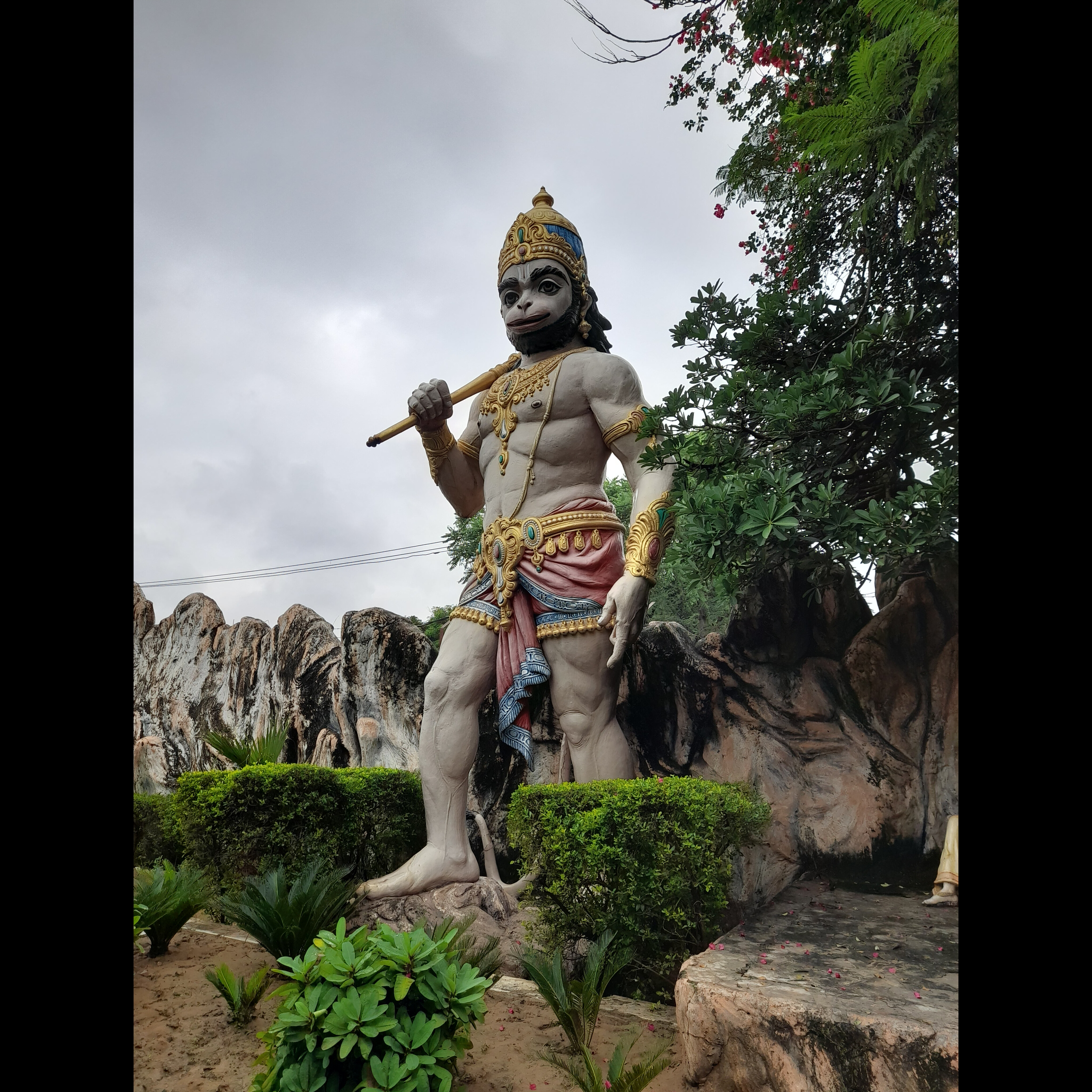
Shri Mehendipur Balaji Mandir in Dausa, Rajasthan, is dedicated to Hanuman in his childhood (Bala) form — which is why the name “Balaji” is used for Hanuman in several parts of India. The temple draws devotees from across North India, many seeking relief from illness, possession, or hardship through the believed power of the presiding deity.
Quick Facts
- Location: Vivek Vihar Colony, Pilot Nagar, Chak Dausa Rural, Dausa, Rajasthan 303303
- Temple Hours: 6:00 AM to 9:00 PM (verify directly with the temple as timings may change)
- By Air: Nearest airport — Sanganer, Jaipur (113 km)
- By Rail: Nearest railway station — Bandikui (40 km)
- By Road: Well connected to North Indian cities via the Agra–Jaipur highway; from Delhi via Alwar–Mahwa or Mathura–Bharatpur–Mahwa routes
The Three Divine Forms
The Mehendipur Dham is known for the “Divine Trinity” of deities residing here:
- Pawanputra Shri Balaji Hanuman — the presiding deity
- Shri Bhairava Baba
- Swayam-Bhu Shri Pret-Raj Sarkar
History
According to the temple tradition, the present forms of the Divine Trinity appeared approximately one thousand years ago in a valley in the Aravali Range, which was then dense forest. An ancestor of the 11th Mahant, Shri Ganesh Puri Ji Maharaj, received divine visions directing him to the three deities and began regular puja at the site. This account is a traditional/religious narrative of the temple lineage.
A notable feature of the presiding deity: attempts were made in early times to excavate the idol, but the statue is understood to be part of the surrounding hill and cannot be removed. A small pot at the feet of the deity is said to contain water that never dries, fed by a continuous flow from the deity’s form. These are held as traditional/miraculous accounts by devotees.
Religious Significance and Healing Traditions
Mehendipur Balaji is widely known for its association with healing and the removal of afflictions attributed to malevolent influences. People referred to locally as Sankatwalas — those believed to be afflicted or possessed — visit the temple in large numbers seeking relief.
The Mahant of the temple prescribes remedies that may include recitation of holy texts, a vegetarian diet, and various physical practices. Visitors may observe people undergoing these treatments on the temple premises. Thousands of devotees believe they have been relieved of their afflictions through the blessings of Balaji. These practices are part of the temple’s religious tradition. Medical science does not recognise spirit possession; the practices described here are matters of faith and belief within this tradition.
Festival times — particularly Holi, Hanuman Jayanti, and Dussehra — are considered especially auspicious for seeking relief.
Visitor Guidelines
The temple trust issues the following guidelines for visitors:
- Sankatwalas and disciples should contact the enquiry office for information.
- During festivals and melas, maintain discipline, wait patiently, and coordinate with trust authorities.
- Please treat Sankatwalas with humility.
- Bathe, wear fresh clothes, join the queue and chant Jai Shri Balaji while waiting for darshan.
- Children are advised to be left at the dharmshala or hotel, as play is not permitted in the temple premises.
- Entry into the Garbha Griha (inner sanctum) is not permitted. Hand offerings and prasad to the Pujari.
- For special offerings (sawamani, bhandara, brahmin bhojan, hawan, chola to deity), contact the Trust office within the temple premises.
- Holy water from the Arti of Lord Balaji should be received with discipline and calm.
- Photography of the deities and of Sankatwalas is prohibited.
- Entry is not permitted while intoxicated or after smoking.
- Complaints about harassment by employees should be lodged at the Shri Balaji Trust office.
- Carry minimal cash and jewellery; leave valuables at your accommodation.
How to Reach
Mehendipur Balaji is located in Dausa district, Rajasthan. Regular bus services connect it from Jaipur and other North Indian cities along the Agra–Jaipur highway.